

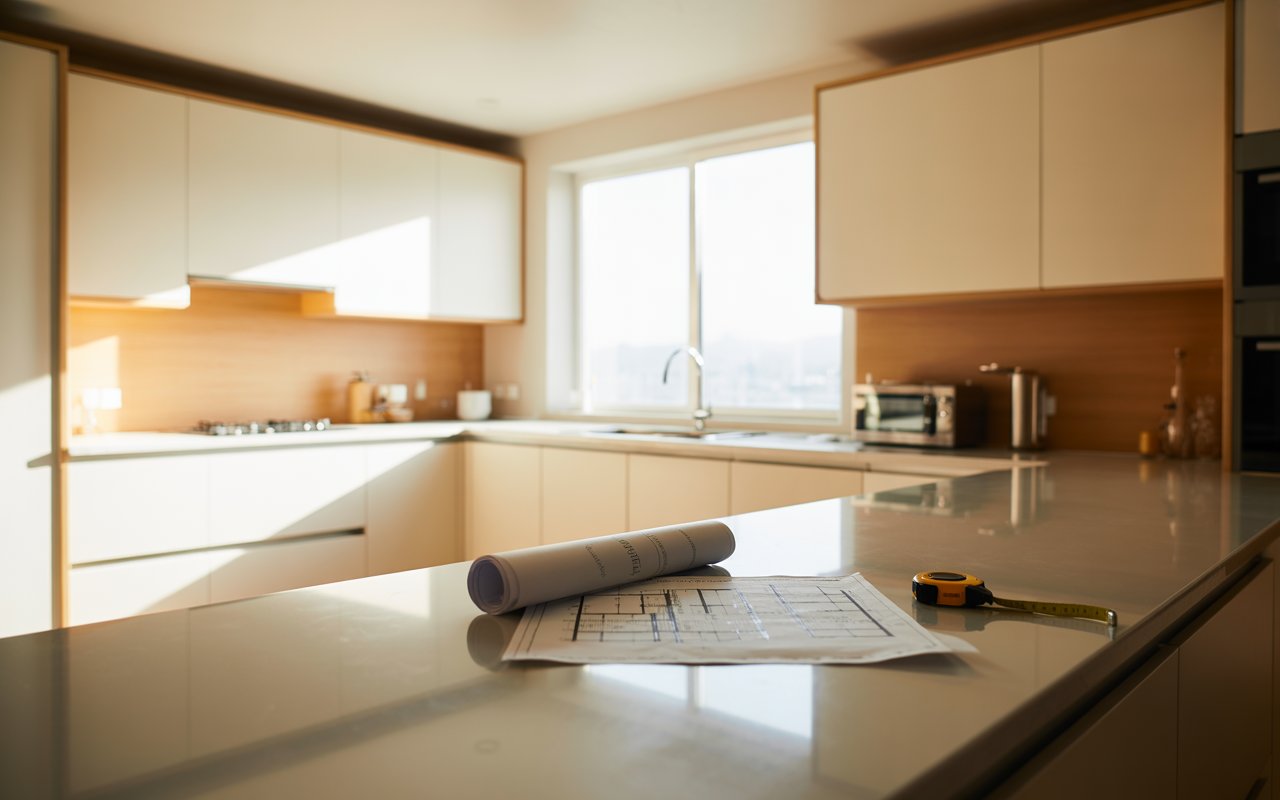
How Long Does It Take to Install a Modular Kitchen?
The kitchen has undergone significant changes. It has moved from a hidden utility space to a high-functioning centerpiece of the modern home. For many homeowners, moving to a modular setup is not just about sleek cabinets or premium finishes. It is a clear step toward efficiency and organized living.
When you start picking quartz countertops and lacquered shutters, the first question that often comes up is: “How long will the whole process take?” The answer isn’t always simple. Installing a modular kitchen involves several steps. First, you finalize the design. Next, the units are manufactured, and finally, everything is assembled in your home. Being aware of the timeline helps you plan better and ensures the work is completed properly, without hurry. After all, the kitchen is one of the most important spaces in your home and deserves careful attention.
Understanding Modular Kitchens
Before you start planning, it’s good to know what makes a kitchen modular. Unlike traditional kitchens, where every piece of wood is cut and built on-site, a modular kitchen is made in a factory. Pre-made cabinet modules arrive at your home ready for assembly, making the process quicker and more accurate.
This factory-built method is why the timeline differs from traditional construction. Precision machinery builds the components with tight tolerances. This leads to smoother finishes and stronger cabinets. While the installation at your home may only take a few days, it’s important to remember that weeks of engineering and fabrication have already gone into making everything ready. If you are looking for expert guidance from the very beginning, our modular kitchen interior design services can help you plan every detail before a single cabinet is ordered.
Modular Kitchen Installation Timeline
The journey of a modular kitchen can be broken down into five distinct phases. While every project has its quirks, this is the standard trajectory for a high-quality installation. Here are the steps involved from design to final setup. Each phase plays an important role in ensuring the kitchen fits well and works smoothly. When the process is followed step by step, the final result is both strong and attractive.
The Design and Consultation Phase
This is the most critical stage. A designer visits your space to take exact measurements. If you are unsure where to begin, our interior design consultation services can walk you through the entire planning process before any decisions are made. Even a discrepancy of a few millimeters can affect a modular unit. In this first stage, you’ll talk about the arrangement of the stove, sink, and refrigerator. You will also choose your materials, finishes, and hardware. This phase concludes when the 2D drawings and 3D renders are finalized and approved. It’s also the time to share your cooking habits, storage needs, and style preferences. A good design will ensure the kitchen is comfortable for daily use.
The Manufacturing Phase
Once you place an order, the designs go to the factory. This is where the bulk of the time is spent. The boards are cut, edge-banded (to prevent moisture from seeping in), and bored for hinges and sliders. If you have chosen high-end finishes like PU paint or acrylic, the drying and curing process will take several extra days. Every component is made with precision so it fits perfectly during installation. This careful factory work ensures durability, neat finishing, and smooth functioning for years to come.
Site Preparation
While the factory is working on your kitchen, your home must be prepared. This means making sure that electrical points and plumbing lines are placed correctly for the new chimney, hob, and sink. You should remove any old kitchen units, countertops, or tiles at this stage. This step also allows for minor adjustments to the walls or floors so the cabinets fit properly. Proper site preparation ensures the installation goes well without last-minute issues.
Delivery and On-Site Assembly
The flat-packed modules arrive at your doorstep. This part is quick. Since everything is pre-drilled, the technicians place and level the cabinets, fix them to the walls, and install the doors and drawers. They also check that everything opens and closes smoothly. They make minor adjustments so the kitchen looks and works the way you want. At this stage, the layout of your kitchen starts to come together. The team makes sure everything is properly aligned and ready for the final fittings.
Countertop and Appliance Integration
Many homeowners forget that the countertop (granite, quartz, or marble) can usually only be measured and cut after the base cabinets are installed to ensure a perfect fit. Once the slab is laid and the sink is fixed, the hob, chimney, and other built-in appliances are integrated and tested. This stage makes sure that all fittings match correctly with the cabinets and plumbing connections. It also lets installers check that the appliances work well and that the workspace stays comfortable and practical for everyday use.
How Much Does it Cost to Install a Modular Kitchen?
Budgeting for a modular kitchen depends on your choices. In the current market, a standard L-shaped or straight modular kitchen usually starts at around ₹1.5 Lakhs and can go up to ₹10 Lakhs or more for high-end configurations.
- The Material Core: Plywood is the industry standard for its moisture resistance, but if you opt for high-grade Boiling Water Proof (BWP) ply, the cost rises. MDF or Particle Board options are cheaper but less durable in humid Indian cooking environments.
- The Finish: Laminate is the most budget-friendly and durable. Moving up to Acrylic or Membrane finishes adds a premium gloss but increases the cost by 20-30%. PU (Polyurethane) paint sits at the top of the price bracket.
- Hardware and Accessories: This is where costs can rise. Soft-close hinges, tandem drawers, and corner units (like Lemans corners) from brands like Hafele or Blum are investments in longevity and ease of use, but they cost more than basic wire baskets.
Tips to Speed Up Modular Kitchen Installation
If you have a tight move-in deadline, there are ways to shorten the process without affecting quality. Planning and making decisions early can save days or even weeks. Here are some practical tips to speed up your modular kitchen installation.
- Finalize Selections Early: Indecision can cause delays. Changing a handle design or a laminate shade after the manufacturing process has started can push the schedule back by weeks.
- Pre-Sync the Civil Work: Make sure your electrician and plumber are working off the final modular drawing. If a plug point is even two inches off, the installers will have to stop work to allow for corrections.
- Choose Standard Sizes: Most modular brands have standard unit sizes. Choosing these instead of custom sizes for every space can speed up factory production.
- Verify Appliance Dimensions: Have your hob, chimney, and built-in oven on-site, or at least their technical specifications, before finalizing the design. This avoids on-site modifications to fit the cabinets.
Redwood Interiors: Your Trusted Partner for Modular Kitchens
A kitchen is a functional space that also needs to look good. Getting the balance right requires a partner who understands the engineering behind the aesthetics. At Redwood Interiors, we avoid the usual approach of mass-produced furniture. We know that a modular kitchen must handle various environmental challenges.
Our process is based on transparency. Quality takes time, so we give you realistic, documented timelines and follow them. From the first 3D visualization to the final tightening of a hinge, Redwood Interiors makes sure your modular kitchen fits your life. Ready to stop guessing and start building? Explore our interior design services or reach out to our team directly. Redwood Interiors is here to help you create your dream kitchen.
