

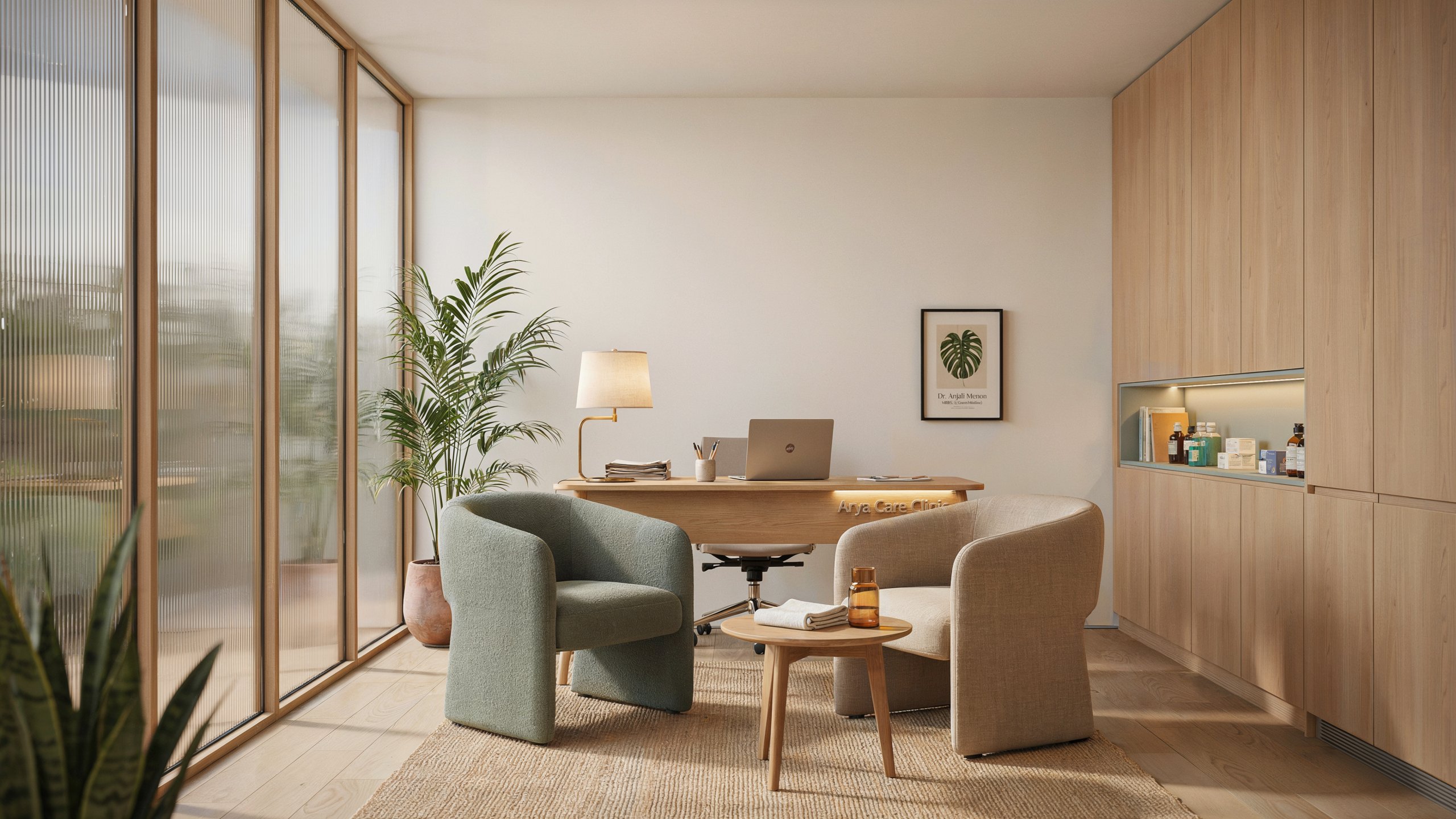
How to Design a Clinic or Doctor's Consultation Room that Builds Patient Trust
When patients come to a clinic, their experience begins long before they see the doctor. The environment, the place's architecture, and the level of comfort they experience can have a significant impact on their feelings about the practice. A clean, well-organised and welcoming consultation room allows patients to feel at ease, talk openly and have confidence in the quality of care they will receive.
In today’s world, medical facilities are expected to do more than provide medical care. Patients walking into a clinic are already forming opinions before they speak to anyone. They notice whether the space feels clean, whether there is enough privacy, whether the seating is comfortable. Meeting those expectations is not a luxury feature of good clinic design. It is the baseline. Good interior design can reduce anxiety, boost operational efficiency and contribute to better confidence between healthcare workers and patients.
Why the Consultation Room Design Matters
In a doctor’s consultation room, important conversations take place. Here is where patients discuss their symptoms, medical histories, treatment options, and their personal health concerns. The space where these conversations take place might also influence how comfortable people are.
A badly designed consulting room can be frightening and distressing. Patients may feel uncomfortable in cramped spaces, in bad lighting and with no privacy. On the other side a well designed space gives a sense of tranquility and professionalism. Patients are more inclined to feel comfortable sharing information, asking questions and taking a more active role in their treatment decisions.
Healthcare is characterised by trust. Medical skill is needed, but the physical atmosphere is vital for how patients see a clinic. A comfortable, private and functional consultation room helps to create confidence in the healthcare provider and a more favourable overall experience.
Key Elements of a Successful Consultation Room
A good consultation room is a comfortable, private, functional and visually appealing area where patients feel relaxed, respected and confident in the care they receive.
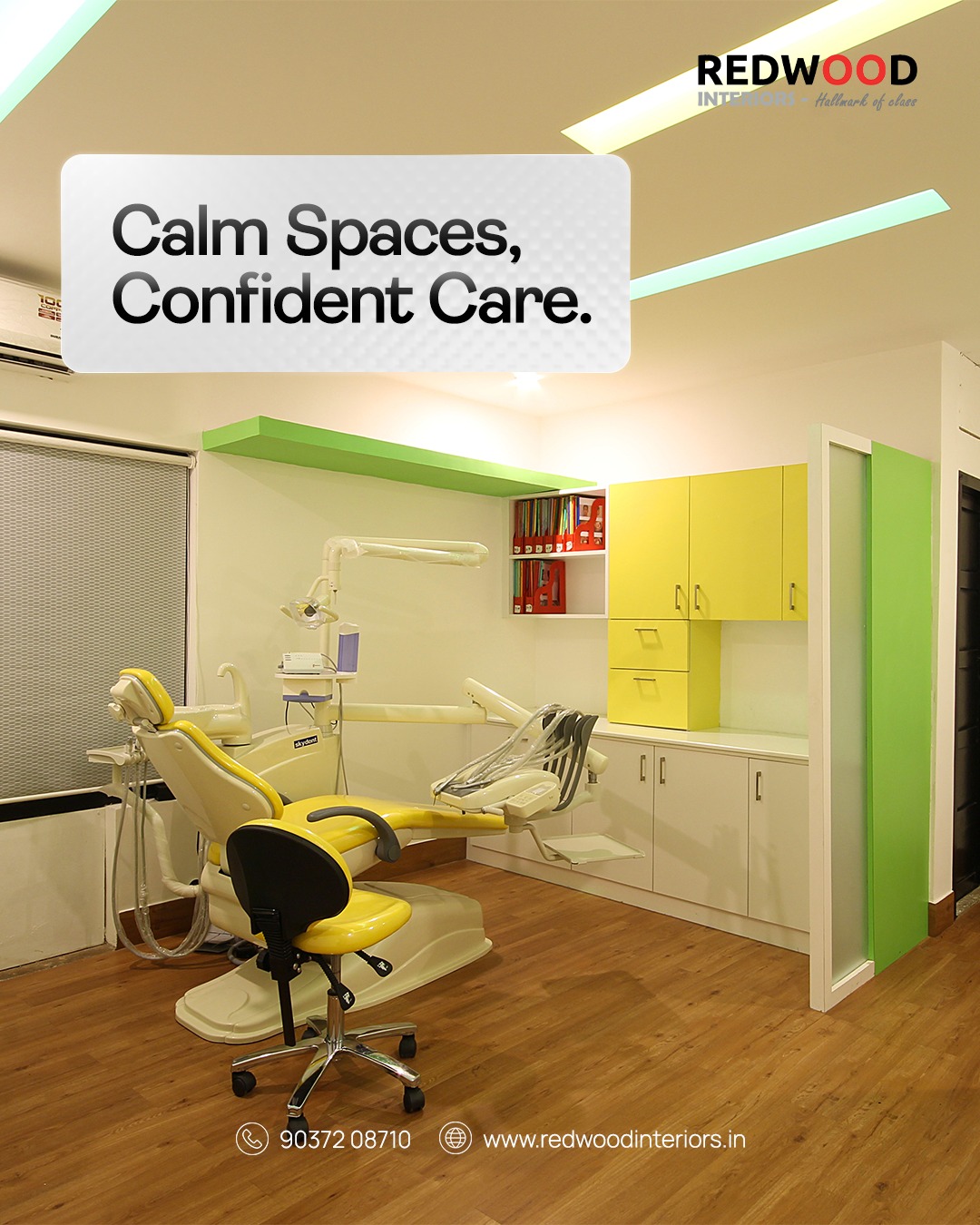
Dental clinic treatment room designed by Redwood Interiors, Kerala, featuring organised cabinetry, smooth surfaces and clinical lighting.
First Impressions Begin at The Door
The patient journey starts the moment they walk into the clinic. Most patients make a subconscious judgement about a clinic within the first few seconds of entering. A reception area that feels organised and easy to navigate signals that the practice takes its work seriously. Good signage, a clear path to the front desk, and a waiting area that does not feel overcrowded all contribute to that first read. Clutter creates unease even before a patient has spoken to anyone. Good signage, pleasant waiting areas and an inviting welcome desk all add to a sense of confidence for your patients. The finishes, furniture and lighting should be professional, warm and approachable.
Waiting Area Design That Reduces Anxiety
The comfortable seating and space between the tables add to the casual feel. Soft colours, natural materials and properly chosen decor can help create a sense of serenity. Patients can also be kept occupied while they wait by access to reading material, digital displays or educational information.
Natural light can have a huge impact on reducing stress levels. Installing windows in waiting spaces makes them more inviting and comfortable. Indoor plants and subtle decorative elements can further soften the clinical feel of the space.
Designing the Clinic’s Layout for Smooth Flow
A well-designed structure will be good for patients and healthcare workers. Patients can navigate the facility without confusion or delay.
Reception, waiting, consultation, treatment and administrative areas should be clearly delineated. Consultation rooms should be placed away from high-traffic areas to allow seclusion and minimise noise disruptions.
The placement of furniture is a significant factor in the consultation room itself. The room should allow free movement and easy communication between the doctor and the patient. Storage should be hidden, and equipment and supplies should be stored neatly to reduce visible clutter.
Lighting Changes Patient Perception
Lighting is among the most powerful yet most neglected elements of healthcare design. The same principles that apply to office lighting design hold true in clinical spaces. The right layering of natural and artificial light reduces stress and shapes how patients perceive the room.
A desirable feature of consultation rooms is natural light, which provides a bright and friendly environment. Studies have demonstrated that natural lighting can reduce stress and increase general well-being.
Layered lighting systems even things out when there’s not much natural light. Consulting rooms should be brighter for medical checks and make patients feel comfortable. Try to avoid harsh glare and flashing lights that can cause discomfort and anxiety.
Use Trust Building Colours
Certain colours automatically make us feel calm, clean, and trustworthy.
Soft blues are most often associated with reliability and professionalism; green can produce a feeling of harmony and well-being. Neutral colours such as beige, soft grey and off-white contribute to a clean and cheerful workplace.
Consultation rooms should not be decorated with bright, overpowering colours which can strain the eye or increase stress levels. Colour consistency across a clinic does something practical. It stops the space from feeling like it was assembled in pieces.
Ensure Hygiene Visibility
Patients are paying attention to cleanliness even when they are not consciously thinking about it. They notice whether the countertops are clear, whether surfaces look easy to wipe down, whether the hand sanitiser is placed somewhere logical rather than tucked away in a corner. A space that is designed for cleanliness communicates that on its own without the clinic having to announce it.
Surface choices matter here. Smooth finishes are easier to maintain and look better over time than textured ones that collect dust and grime. Organised storage keeps the room looking composed between appointments. Hand sanitiser stations should sit at natural pause points, near the entrance, beside the consultation desk, at the exit, so patients encounter them without having to look for them. High-touch surfaces like door handles, armrests and counter edges should be specified with routine cleaning in mind from the design stage itself.
Incorporate Subtle Branding Elements
Branding within a clinic should be professional and muted. The idea is to generate some recognition and uniformity without over-cluttering the environment.
A clinic’s brand might be incorporated into reception areas, consulting rooms and signs. Consistent use of colours, typography and design elements helps to reinforce the brand identity across the institution.
Subtle branding enhances familiarity, and patients remember. Coupled with a favourable patient experience, it can help establish long-term loyalty and trust.
Modern Experience Technology Integration
Technology is a must in today’s healthcare institutions. Patients want the same convenient and efficient digital experiences they’ve come to expect in their lives to be a part of their healthcare journey.
A wall-mounted monitor changes how a consultation actually feels. When a doctor can pull up a scan, a report or a treatment plan on a screen both people can see, the conversation becomes more collaborative. Patients follow along rather than waiting to be told what the conclusion is, and that shift matters for how confident they feel leaving the room.
Electronic medical records and telemedicine options work the same way. They remove unnecessary back-and-forth and keep the focus of the appointment on the patient rather than on paperwork. The measure of good technology in a clinic is simple: if it makes the consultation smoother without drawing attention to itself, it belongs there.
Small Touches Matter
The simplest things can make the biggest difference in patient comfort. Small touches can make all the difference and help people feel like they are really being taken care of. Indoor plants can add a breath of fresh air and warm up the room. Comfortable chairs, charging points for electrical gadgets, drinking water points and lovely ambient scents can all assist to make a workplace more inviting. Art, natural textures and well-selected furnishings create an atmosphere that feels a bit less clinical and a little more human-centred.
Why Redwood Interiors is the Right Partner for Your Clinic Design in Kerala
Healthcare spaces carry a different kind of weight. Patients arriving at a clinic are often anxious, sometimes unwell, and paying close attention to everything around them even when they are not aware of it. Getting the design right means understanding that pressure and building spaces that work against it.
Redwood Interiors has worked with clinics, diagnostic centres and healthcare offices across Kerala, and that experience shapes how we approach every project. We know where consultation rooms need acoustic separation, how reception layouts affect patient flow, and what the difference between a space that feels clinical and one that feels considered actually looks like in practice.
From the waiting area to the treatment room, every decision we make is about giving patients confidence and giving medical teams a space that supports their work rather than complicating it. Comfort, hygiene, privacy and durability are not items on a checklist for us. They are brief.
If you are planning a new clinic, updating an existing practice or expanding your facility, our commercial interior design services in Kerala cover the full scope of healthcare environments. Get in touch with Redwood Interiors to talk through what your space needs.
